
Highlights:
-
Start your wedding day with a clear morning schedule to reduce stress and stay on track.
-
Build in ample time for hair, makeup, getting dressed, and photography prep.
-
Create a detailed ceremony timeline, including processional, vows, readings, and family photos.
-
Structure the reception with clear segments for cocktail hour, dinner, speeches, cake cutting, and dancing.
-
Factor in transportation and travel time for yourself, the bridal party, guests, and vendors.
-
Include small buffers throughout the day to accommodate unexpected delays or last-minute adjustments.
-
Take moments for yourself and your partner to stay calm, enjoy the day, and savor special memories.
Your wedding day is one of the most exciting days of your life, but it can also feel overwhelming if you’re not sure how to plan the hours ahead. Having a clear wedding day timeline ensures everything runs smoothly—from the moment you wake up to the last dance of the evening. In this guide, we’ll break down a complete day-by-day, hour-by-hour plan to keep you calm, organized, and confident throughout your big day.
Why Do You Need a Wedding Day Timeline?
Even if you’ve meticulously planned every detail of your wedding, a timeline helps coordinate everything: vendors, bridal party, family, and photography. Wedding planning for brides is so much easier with a clear timeline, ensuring nothing is overlooked and every moment flows smoothly. Without one, it’s easy to run late, miss photos, or forget key moments. A timeline also gives you peace of mind, so you can enjoy the day without constantly checking your watch.
Think of it as a roadmap that keeps the entire celebration on track.
How Early Should Morning Prep Begin?
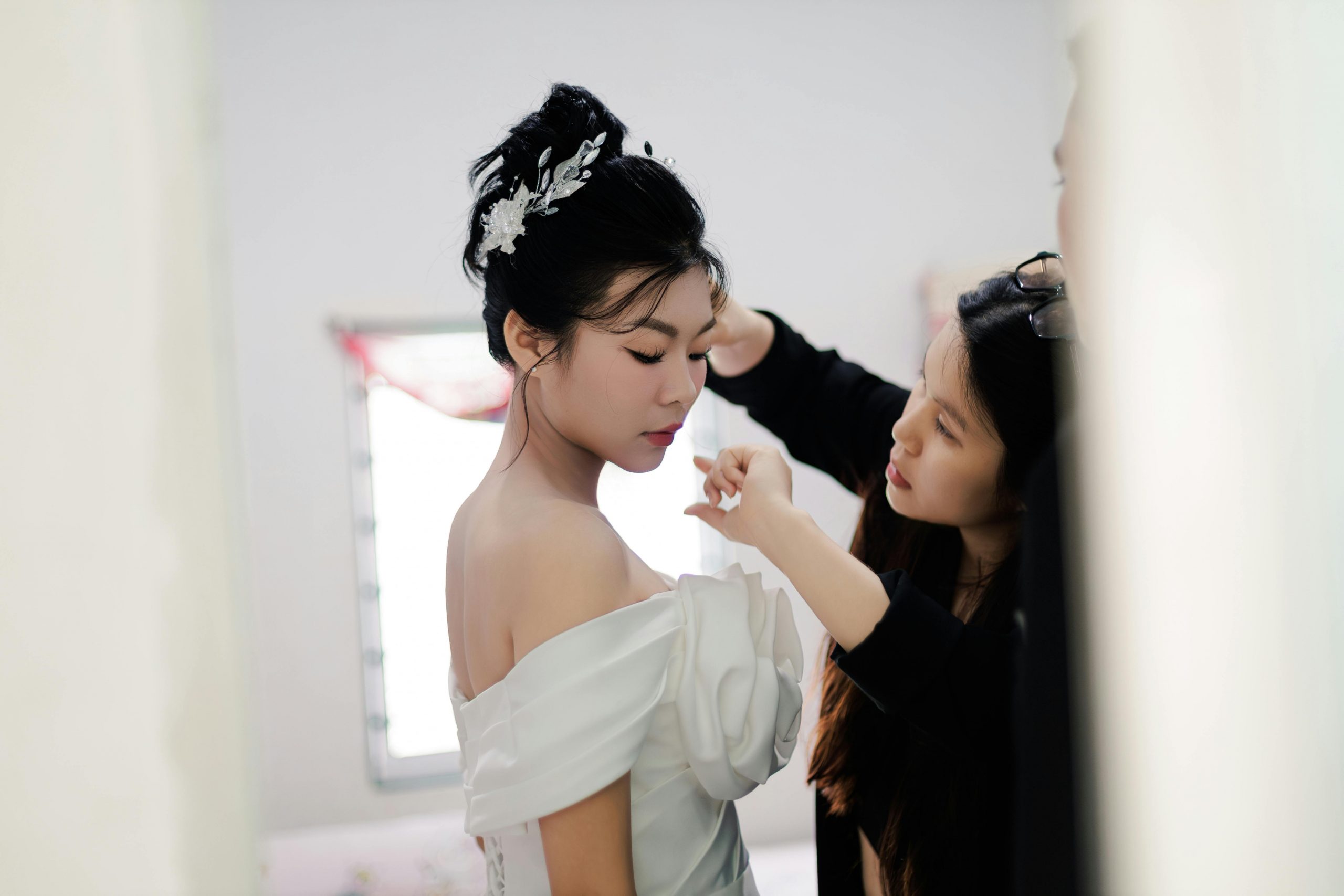
The first hours of your wedding day set the tone for the rest of the event. Most brides start their hair and makeup around 3–4 hours before the ceremony, depending on the complexity of your style and how many people need services.
Here’s a rough breakdown for morning prep:
-
Hair and Makeup: Schedule at least 3 hours for yourself, especially if you’re doing elaborate hair styling or detailed makeup. Factor in time for bridesmaids or moms who may also be getting ready at the same salon or suite. Having extra time ensures everyone can look their best without feeling rushed.
-
Breakfast and Hydration: Eat something light but satisfying, such as eggs, yogurt, oatmeal, or a smoothie. Staying hydrated is equally important—drink water or a light juice to keep your energy levels up. Avoid heavy or greasy foods that could make you feel sluggish.
-
Getting Dressed: Allow at least 30–45 minutes to put on your gown, veil, and accessories. Make sure someone is available to help with buttons, zippers, or your train, and consider scheduling a small practice run of putting on your dress if it’s particularly complex.
-
Emergency Kit Check: This is the perfect time to ensure you have all the things you need on your wedding day, from safety pins, fashion tape, and extra makeup to tissues, mints, a small sewing kit, and even a stain remover pen. Having these items on hand can save you from last-minute stress and keep everything running smoothly.
-
Final Touches: Take a few moments for yourself before stepping into the bustle of the day. This can be a quick breathing exercise, a short reflection, or simply admiring yourself in the mirror before the excitement begins.
By following this schedule, you’ll reduce stress and make sure everyone is ready for the ceremony on time.
What About Photography During Prep?
Many couples hire a photographer to capture pre-ceremony moments. These photos often include:
-
Candid shots of you and your bridal party getting ready
-
Detail shots of jewelry, shoes, invitations, and bouquets
-
Emotional first-look moments with family or bridesmaids
If you plan on capturing these moments, build them into your morning schedule. Typically, photographers need 1–2 hours before the ceremony to document preparation, so plan accordingly.
When Should the Ceremony Start?
Ceremony timing depends on your venue and whether you plan to have daylight photos. A popular schedule includes:
-
Morning or early afternoon weddings: Often start around 2–3 PM, allowing time for prep and travel.
-
Evening weddings: Usually begin around 5–6 PM, giving ample time for hair, makeup, and photography.
Be realistic about travel time to the venue and account for any delays, traffic, or last-minute adjustments.
How Long Does the Ceremony Usually Last?
Most wedding ceremonies take 20–45 minutes, depending on the type of service and number of readings or performances. Shorter ceremonies work well for casual or outdoor weddings, while religious or traditional services may take longer.
Your timeline should include:
-
Processional and seating of parents
-
Bridal entrance
-
Exchange of vows and rings
-
Readings or musical interludes
-
Pronouncement and recessional
Having a clear plan ensures your guests know what to expect and keeps your day moving smoothly.
When Should You Schedule Family and Bridal Party Photos?
Photos can take up more time than couples anticipate, so plan them strategically:
-
Before the ceremony: Consider first-look photos with the groom to reduce post-ceremony stress.
-
After the ceremony: Group family and bridal party photos immediately after the ceremony while everyone is together.
-
During the cocktail hour: Capture candid shots of guests and any additional couple or bridal party photos.
Tips for efficiency:
-
Assign a family member or coordinator to gather everyone for photos
-
Prepare a list of must-have shots
-
Schedule 45–60 minutes for family and group photos
What Should You Include in the Reception Timeline?
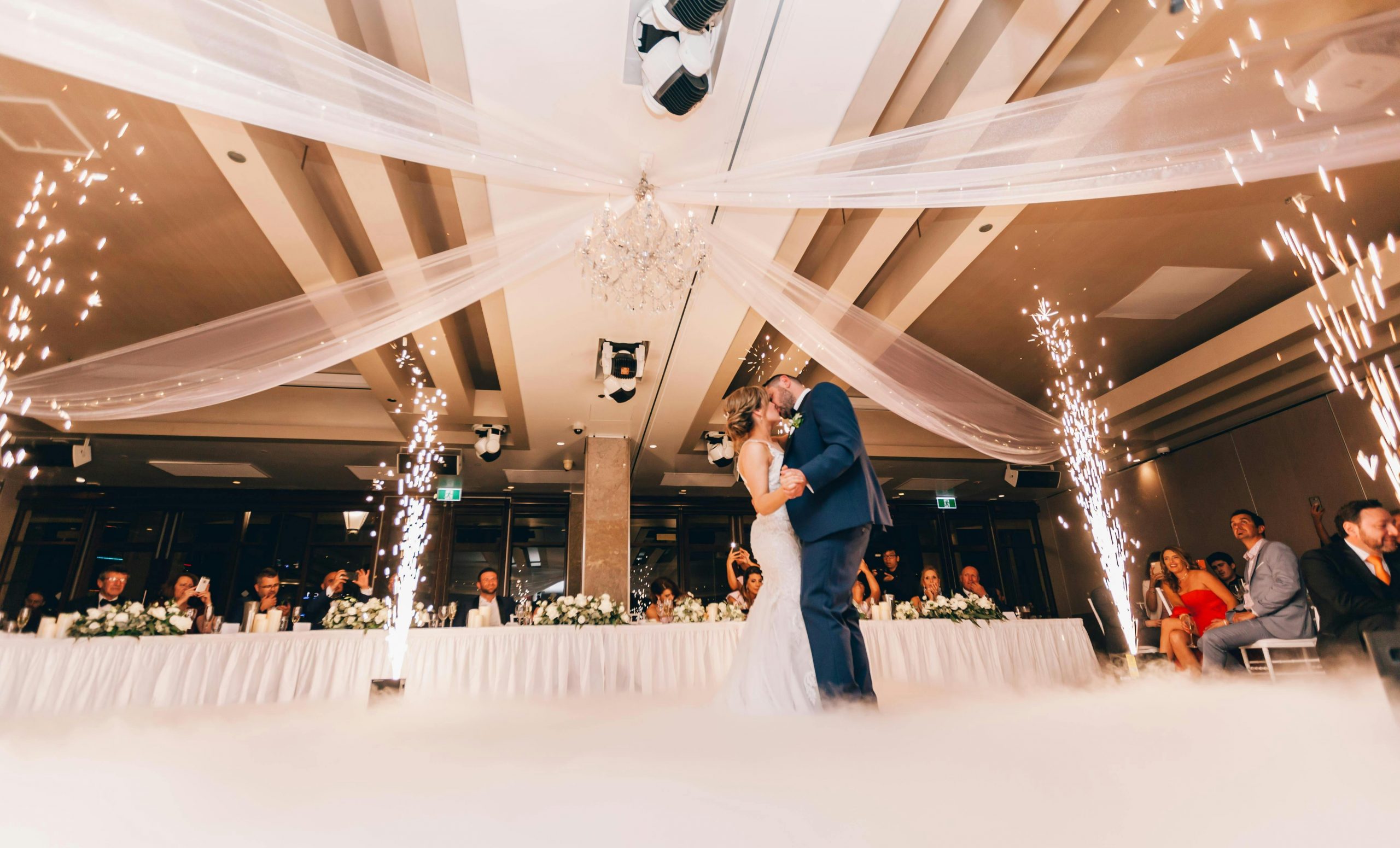
The reception is often where the day really comes alive. A typical schedule includes:
-
Cocktail Hour (1 hour): This is the perfect time for guests to mingle, enjoy drinks and appetizers, and settle in before the main events begin. Meanwhile, you and your partner can finish any remaining photos without feeling rushed. Consider having a light playlist or live music to set a welcoming ambiance.
-
Grand Entrance: This is the moment to officially introduce the newlyweds and bridal party. Work with your DJ or band to choose an upbeat song that reflects your personality. A smooth entrance sets the tone for the rest of the evening.
-
First Dance: While optional, the first dance is a signature moment that creates a lasting memory. Practice in advance to feel confident and natural. You might also include special dances with parents or grandparents shortly afterward to honor family traditions.
-
Dinner Service (1–1.5 hours): Plan your meal thoughtfully. Whether it’s a plated dinner or buffet, coordinate with the caterer to align service with speeches or entertainment. Keep a buffer in case service runs slightly longer, ensuring no one feels rushed.
-
Toasts and Speeches: Schedule these either before dessert or in the middle of dinner. This timing allows guests to enjoy their meal while still engaging in heartfelt moments. Encourage speakers to keep it concise and consider giving them gentle time limits.
-
Cake Cutting: This often follows speeches or dinner. Consider taking photos before serving so the moment is beautifully captured. Cake cutting is usually a signal to transition into dancing and evening festivities.
-
Dancing and Entertainment (2–3 hours): Plan enough time for dancing so guests can let loose and enjoy the celebration. Include a mix of high-energy songs and slower tracks to give people breaks. If you have special performances, games, or other entertainment, slot them in thoughtfully.
-
Last Dance: End the evening on a memorable note. Whether it’s a romantic slow song or a fun, upbeat track, make this moment feel special—it’s the final impression your guests will take home.
By structuring the reception, you’ll ensure guests enjoy the flow of the evening and nothing feels rushed.
How Can You Handle Unexpected Delays?
Even with the best planning, delays happen. Keep these tips in mind:
-
Build 15–30 minute buffers between major events.
-
Assign a day-of coordinator or reliable friend to handle logistics.
-
Keep your emergency kit accessible for small fixes.
-
Stay flexible and remember the big picture—your day is about celebrating love, not perfection.
What Are Some Tips for Managing the Bridal Party?
The bridal party plays a crucial role in keeping your day on track. Here’s how to make it easier for everyone:
-
Assign point people: Have someone coordinate transportation, timeline reminders, and emergencies.
-
Keep them informed: Share the timeline in advance so they know their responsibilities.
-
Provide refreshments and snacks: A happy, well-fed bridal party is cooperative and ready.
-
Schedule breaks: Even short pauses help avoid burnout during a long day.
How Do You Make Time for Yourself?
Between photos, family, and guests, it’s easy for brides to forget to take a breather. Include these moments in your timeline:
-
Quiet reflection or prayer: Spend 5–10 minutes alone before the ceremony.
-
Couple check-ins: Sneak away with your partner for a quick moment together.
-
Emergency touch-ups: Hair, makeup, and wardrobe fixes between events.
Even small pauses make a big difference in how you feel throughout the day.
What About Meal Timing?
Skipping meals is a common mistake. Plan for at least one small meal during morning prep, such as:
-
Eggs and toast
-
Yogurt and fruit
-
Smoothies
During the reception, ensure dinner is served on time, and coordinate with your planner or caterer to accommodate speeches and other events.
How Can You Incorporate Traditions Into Your Timeline?
Whether cultural, religious, or personal, traditions should be scheduled thoughtfully:
-
Include ceremony rituals like unity candles or handfasting.
-
Plan for special dances such as parent or anniversary dances.
-
Make time for cultural customs like tea ceremonies or blessing rituals.
Integrating these elements ensures they aren’t rushed or overlooked.
How to Plan Transportation and Travel Time
Travel is often underestimated. Consider:
-
Travel from Prep Location to Ceremony: Map out the route in advance and factor in extra time for traffic, construction, or unexpected delays. If you’re using multiple locations for getting ready, such as the hotel and the venue, make sure there’s a clear plan for each leg of the journey.
-
Transportation for Guests, Bridal Party, and Vendors: Determine whether you need shuttles for guests, separate vehicles for bridesmaids and groomsmen, and cars for key vendors. Ensure everyone knows pick-up times, locations, and contact information for the drivers.
-
Buffer Time: Always build in at least 15–30 minutes of buffer between travel segments. This accounts for parking difficulties, last-minute outfit fixes, or brief weather delays. A little extra time can prevent a lot of stress.
-
Vendor Coordination: Communicate with your photographer, videographer, florist, and other vendors so they know where they need to be and when. This prevents delays and helps capture every key moment.
-
Emergency Backups: Have a plan in case a vehicle is delayed or unavailable. This could mean having a backup ride arranged or assigning someone to troubleshoot transportation issues.
Coordinate with vendors and the wedding party to prevent unnecessary stress.
How Long Should You Allocate for Dancing?
Most couples plan 2–3 hours of dancing, though this varies based on energy levels and entertainment. To maximize fun:
-
Start with high-energy songs to get guests on the floor.
-
Intermix slower songs for rest and conversations.
-
Consider special dances early to maintain momentum.
Planning this segment keeps the celebration lively and ensures no one misses key moments.
How Do You Handle Last-Minute Details?
Even the most organized wedding day has surprises. Here’s what to consider:
-
Vendor confirmations: Check in with caterers, DJs, and photographers.
-
Bridal kit items: Band-aids, stain remover, hairspray, extra tights.
-
Guest coordination: Ensure any last-minute seating adjustments are handled.
A prepared bride is a calm and confident bride.
Tips for Staying Calm Throughout the Day
Weddings can feel overwhelming, but staying calm is possible:
-
Delegate responsibilities: Let family or coordinator handle logistics.
-
Use your timeline as a guide: Trust the schedule you created.
-
Focus on moments, not perfection: Don’t sweat minor hiccups.
-
Breathe: Even a few slow breaths help reduce tension and anxiety.
Remember, your day is about celebrating love, not running a perfect production.
How Can Brides Personalize Their Day?
Every couple wants their day to reflect them. Consider:
-
Customizing music playlists
-
Including favorite readings or rituals
-
Adding personal touches to décor or favors
-
Planning surprise moments for guests
Personalization ensures your wedding day is memorable for both you and your loved ones.
Wrapping Up the Day
After the last dance and farewell, make sure:
-
Transportation is ready for your exit or hotel.
-
Personal items are collected, including gifts, décor, and wardrobe.
-
You take a final deep breath, savoring the day you’ve planned so carefully.
A well-thought-out timeline ensures the day ends as beautifully as it began.
Final Thoughts
Creating a wedding day timeline isn’t just about keeping track of hours—it’s about ensuring your celebration flows smoothly, everyone enjoys themselves, and you have the space to savor the magic of your wedding day. From morning prep to the last dance, careful planning reduces stress and allows you to focus on what really matters: celebrating your love with family and friends.
By following this guide, brides can confidently tackle each part of the day, knowing every detail has been thoughtfully considered. Planning in advance, coordinating with vendors, and building in some flexibility are keys to a flawless wedding day experience.